
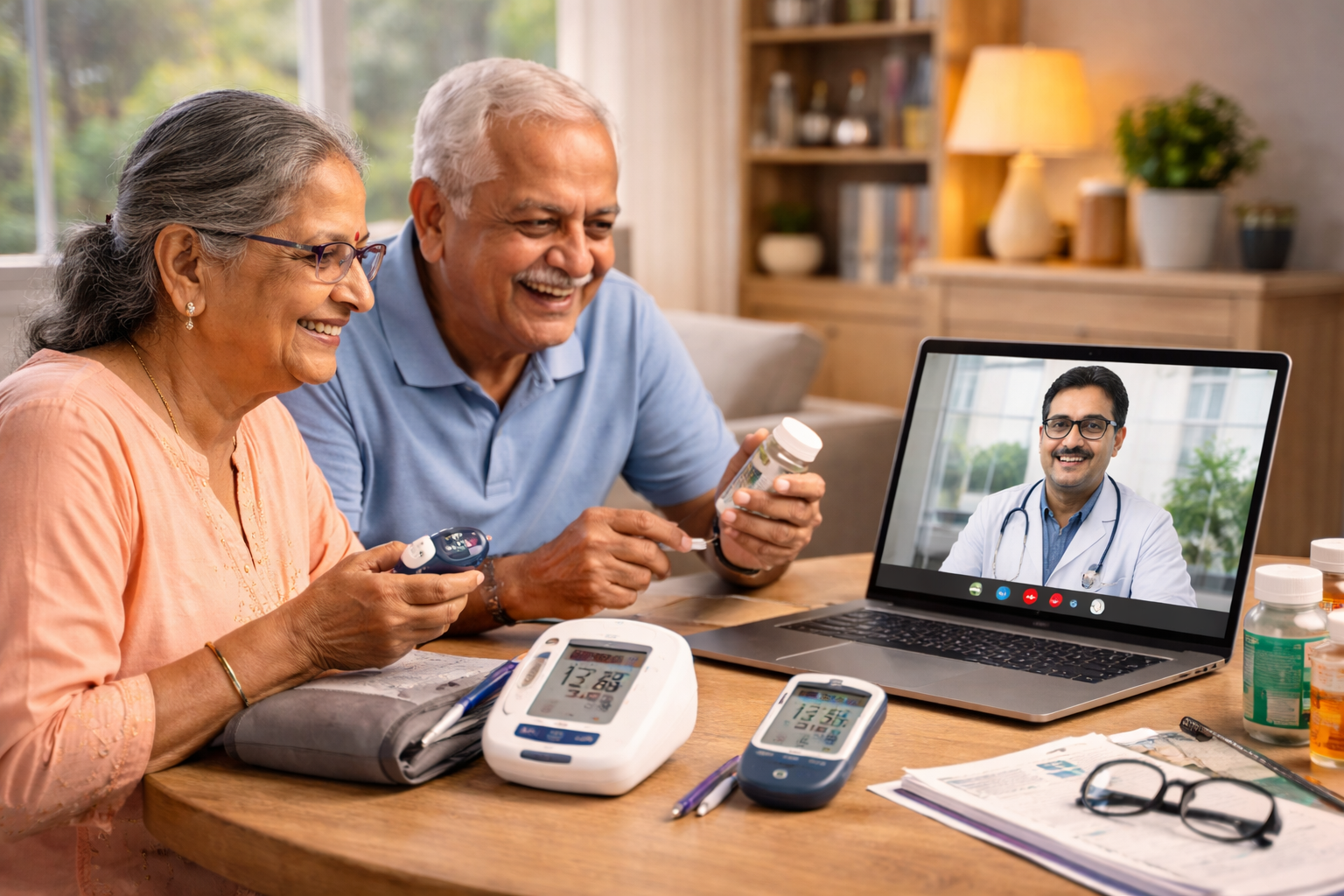
Diabetes and high cholesterol are silent conditions that often don’t show obvious symptoms until they cause serious complications. High cholesterol can lead to heart disease, while diabetes can cause kidney damage, nerve problems, and other complications if left unmanaged. Regular testing and doctor consultation helps detect issues early – it can help seniors manage their conditions effectively with lifestyle changes or medication.
Testing also provides peace of mind, as seniors can stay on top of their health and make necessary adjustments to avoid severe health risks.
How often do you test for diabetes?
- Testing for those at risk or with diabetes
For seniors who are at high risk of diabetes or already have it, regular testing is crucial. The A1C test (which measures average blood sugar levels over the past 3 months) is commonly used for diagnosis and monitoring. Seniors with diabetes should have an A1C test every 3 to 6 months based on their individual treatment plan.
| For seniors without diabetes but at risk | A fasting blood glucose test or an A1C test is recommended at least twice a year to check for prediabetes or early signs of diabetes. |
| Seniors with diabetes | An A1C test every 3–6 months. If their blood sugar levels are not well controlled, they may need more frequent testing. |
- At-home monitoring for daily management
For seniors with diabetes, periodic home testing (through blood glucose monitoring) is essential to track blood sugar levels. This helps seniors adjust their lifestyle or medication in real time. Monitoring typically involves testing 1 to 4 times a day, especially if the senior is on insulin or other diabetes medications.
| Type 1 diabetes | May require more frequent checks (4 to 10 times a day) |
| Type 2 diabetes | May require fewer checks (1 to 4 times a day) based on treatment. |
How often do you test for cholesterol?
Cholesterol plays a critical role in heart health. High levels of LDL cholesterol, often known as “bad” cholesterol, along with low levels of HDL or “good” cholesterol, increase the likelihood of developing heart disease and experiencing a stroke. Regular testing helps ensure seniors maintain healthy cholesterol levels and can adjust their diet, exercise, or medications as needed.
- Routine cholesterol tests for seniors
For seniors without known risk factors, a cholesterol test (lipid profile) is typically recommended every 1-2 years. This test measures total cholesterol, LDL, HDL, and triglycerides.
However, for seniors who have risk factors, such as diabetes, heart disease, or high blood pressure, testing should be more frequent — generally twice a year or as advised by the doctor. Regular testing helps assess whether medication or lifestyle changes are effectively managing cholesterol levels.
- After starting cholesterol medications
Seniors starting treatment for high cholesterol (like statins) should have their cholesterol levels tested within 2–3 months of beginning treatment to assess how well the medication is working. After this initial check, cholesterol tests are usually recommended once a year to ensure levels remain under control.
Factors affecting testing frequency
The frequency of diabetes and cholesterol testing depends on several factors, including:
- Existing health conditions: Seniors with diabetes, heart disease, high blood pressure, or obesity will require more frequent testing.
- Age: As seniors age, they are at greater risk for developing diabetes or heart disease, which demands more regular monitoring.
- Medications: Seniors on medications for diabetes or cholesterol management may need more frequent testing to monitor the effectiveness of their treatments.
In such cases, it’s best to consider a doctor consultation for guidance on how frequently they should test based on their health status and treatment plan.
Looking for an app for doctor consultation online for seniors?
seniorshield is a comprehensive health app designed to support seniors in managing their well-being, including making online doctor’s appointments and tracking vital health signs, such as heart rate and blood glucose level. By using its Health Hub features, seniors can:
- Track vital health signs: Seniors can effortlessly monitor key metrics, such as blood glucose, blood pressure, SpO2, and pulse rate. With continuous tracking, seniors stay informed about their health and make adjustments before their next doctor’s visit.
- Expert health consultations: Whether they need advice on managing blood sugar or cholesterol, seniors can easily connect with geriatric care physicians through the app and get a doctor consultation online for seniors.
- Organised medical records: Seniors can store and share their health records directly through the app, and make it easier to track test results, prescriptions, and doctors’ recommendations.
- Personalised wellness reminders: With reminders for medication, exercise, and health tests, seniors can stay proactive about their health and make sure they never miss important check-ups or health routines.
- First-aid video library: In case of emergencies, seniors have access to first-aid videos, which provide them with the knowledge to handle urgent situations safely.
To learn about seniorshield, contact the team at:
Email Address: hello@seniorshield.in
Contact No: 9980866700