
For seniors, proper nutrition plays a crucial role in maintaining strength, boosting immunity, enhancing cognitive function, and managing chronic health conditions. Here, we explore the components of balanced nutrition with seniors dietary supplement, highlight suitable dietary plans, and offer insights into food and health supplements for seniors:
Understanding seniors’ diet – What are the nutritional needs of seniors?
As metabolism naturally slows with age and activity levels decrease, seniors typically need fewer calories. However, the demand for certain nutrients actually increases. Nutrient-dense foods that deliver essential vitamins, minerals, fibre, and antioxidants without excessive calories become vital for healthy ageing.
Seniors often struggle to maintain adequate hydration, as the sensation of thirst diminishes with age. This increases the risk of dehydration, which can lead to confusion, fatigue, and poor organ function. Water, herbal teas, and hydrating foods such as fruit and soups should form a regular part of the daily diet.
Certain nutrients are particularly important for seniors. These include:
- Vitamin D for bone strength and immune support
- Vitamin B12 for energy, nerve function, and brain health
- Calcium to prevent bone density loss and support muscle function
- Magnesium to regulate blood pressure and support nerve and muscle activity
- Omega-3 fatty acids for heart and cognitive health
Due to reduced digestive efficiency, seniors may have trouble absorbing these nutrients, making the quality and variety of food even more significant.
A balanced senior diet – What are the components of a balanced diet for seniors?
A balanced diet should focus on variety and moderation. Every meal should include a mix of key food groups that support different aspects of health:
- Whole grains such as oats, brown rice, quinoa, and Indian millets such as ragi and jowar are rich in fibre, which aids digestion and supports stable blood sugar levels.
- Fresh fruits and vegetables provide antioxidants, vitamins, and minerals that protect against cellular damage and chronic inflammation.
- Lean proteins such as lentils, legumes, fish, tofu, and low-fat dairy help preserve muscle mass, which naturally declines with age. Protein also supports immune function and tissue repair.
- Healthy fats from nuts, seeds, avocados, and oils such as olive or mustard oil promote cardiovascular and brain health.
- Fluids such as water, coconut water, or broths help maintain hydration and support kidney function.
What are the special dietary considerations for seniors with chronic conditions?
Many seniors live with long-term health conditions that affect their dietary needs. Proper diet planning plays a vital role in managing these issues:
- Diabetes: A diet focused on low glycaemic index foods, such as whole grains, legumes, and vegetables, helps regulate blood sugar levels.
- Hypertension: Reducing salt, increasing potassium intake, and avoiding processed foods can improve blood pressure control.
- Osteoporosis: A diet high in calcium and vitamin D supports bone health. Dairy, leafy greens, sesame seeds, and fortified foods can be valuable sources.
- Digestive issues: Seniors with slow digestion or constipation should increase fibre intake through fruits, vegetables, and whole grains while staying hydrated.
A consultation with a doctor or registered dietitian is essential to tailor the diet plan to specific medical conditions, medications, and lifestyle needs.
Health and food supplements – What are the dietary supplements for seniors and how to take them?
Even with a balanced diet, some seniors may not meet all nutritional requirements due to reduced appetite or poor absorption. In such cases, supplements can play a supportive role. Commonly recommended supplements for seniors include:
- Calcium and vitamin D for bone strength
- Vitamin B12 for energy and cognition
- Omega-3 fatty acids for cardiovascular and brain function
- Probiotics to support gut health and digestion
However, supplements should be used under the guidance of healthcare professionals. Over-supplementation or mixing with certain medications can lead to adverse effects. Always seek medical advice before introducing new supplements.
How does this senior wellness app help seniors with their nutritional and dietary needs?
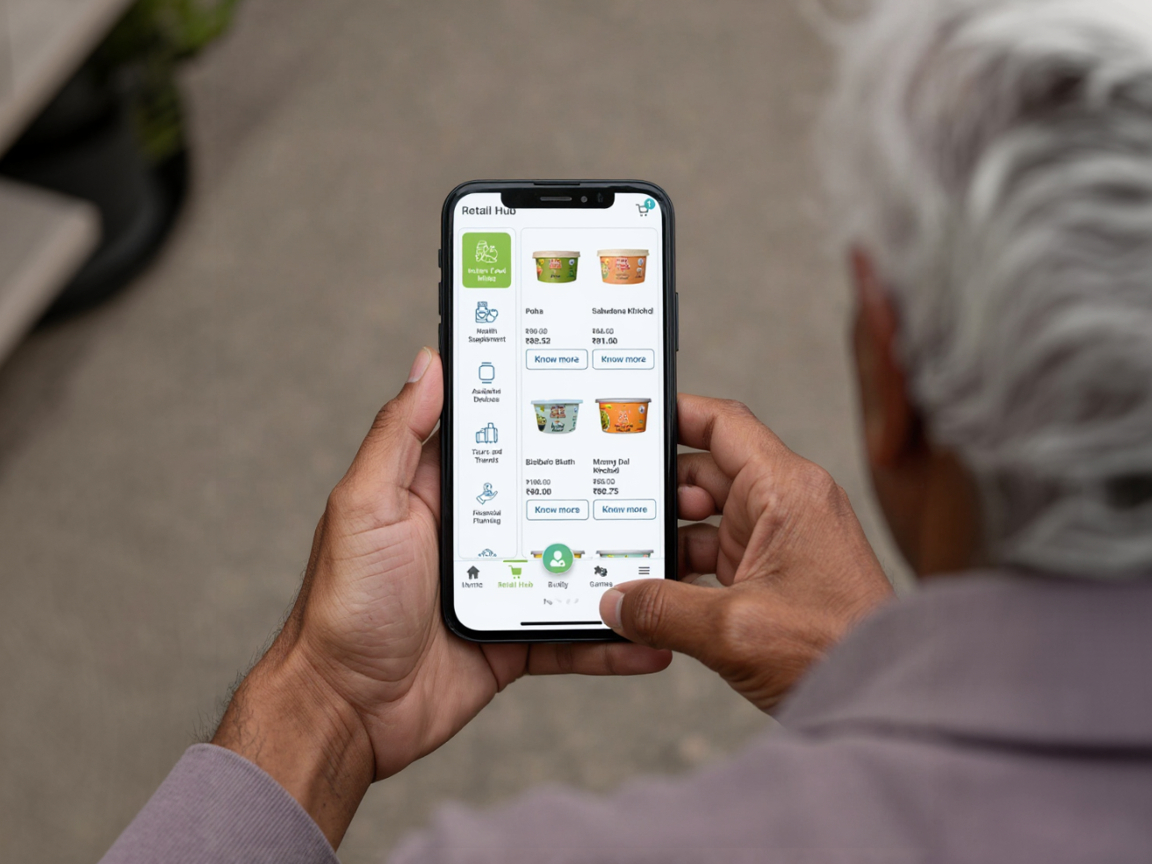
The Seniorshield app has a dedicated retail hub tailored specifically to the dietary needs of seniors. It offers a curated range of health foods, supplements, and wellness products—all handpicked by experts with senior care in mind.
Designed for convenience and ease of use, the app allows families and caregivers to explore suitable nutrition plans, access trusted products, and receive helpful dietary suggestions. Whether it is sourcing heart-healthy oils, calcium-rich foods, or digestive aids, the retail hub ensures seniors receive the nutrition required to thrive.
Each product listed is reviewed by specialists with experience in senior health. The platform places emphasis on safety, quality, and accessibility—ensuring seniors receive nourishing foods that match their health goals and dietary requirements.